Not long ago, taking a “good” photo meant carrying a proper camera, adjusting settings, and hoping you got the shot right. Now, most of us just pull out our phones. Smartphones have quietly changed photography in a big way. They’ve made it faster, easier, and honestly, more personal. From everyday moments to social media content, people are creating visuals all the time. While a professional photo shoot still delivers unmatched quality, smartphones have completely shifted how we think about photography, making it something everyone can do, anytime.
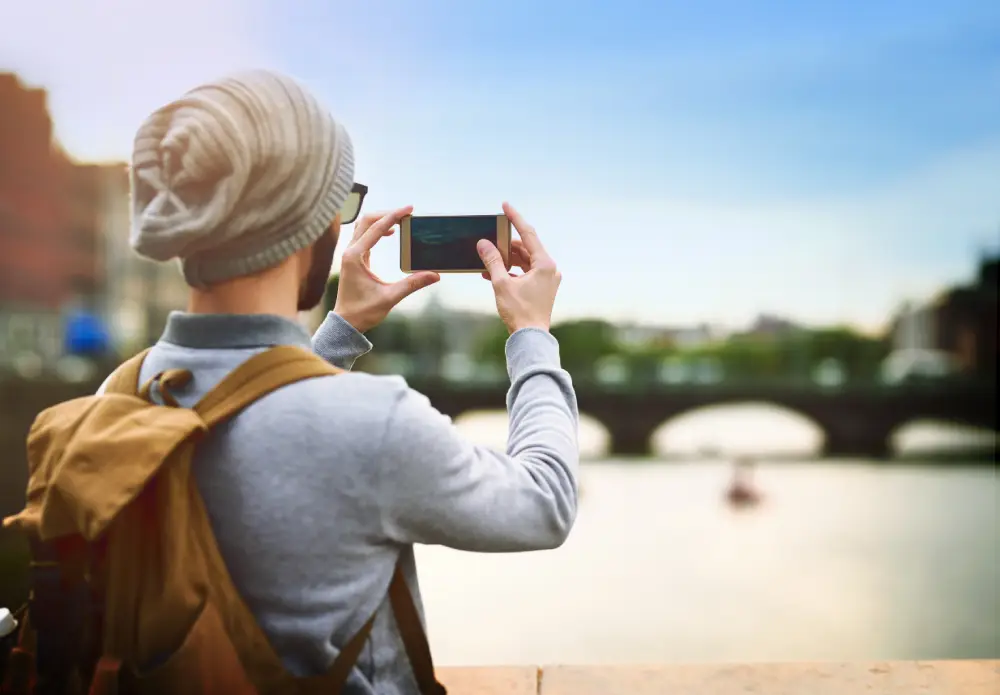
The Rise of Smartphone Photography
If you think about it, smartphone cameras didn’t become amazing overnight. It was gradual. First, clearer photos. Then better zoom. Then portrait mode. And suddenly, people started leaving their cameras at home.
Now, phones are used for almost everything
- Capturing daily life
- Posting on Instagram or LinkedIn
- Shooting quick business content
- Even taking basic headshot style photos
It’s convenient, and that convenience is hard to beat.
Why Smartphones Feel So Easy to Use
One of the biggest reasons smartphones changed photography is simple: they removed the “learning curve.”
You don’t need to understand ISO, shutter speed, or lighting setups. The phone does most of the thinking for you.
Here’s what makes them so popular:
- You always have it with you
- It adjusts settings automatically
- Editing is built-in and quick
- Sharing takes seconds
For everyday use, that’s more than enough. But when expectations are higher like for branding or professional headshots in Singapore, that’s where things start to look different.
Smartphone vs Professional Photography
Let’s be honest — smartphones are impressive. But they’re not magic.
Here’s a simple comparison:
| Feature | Smartphone | Professional Setup |
| Ease of use | Very easy | Needs skill |
| Quality | Good | Much higher |
| Lighting control | Limited | Fully controlled |
| Consistency | Varies | Reliable |
| Best use | Casual content | Business & branding |
This is why businesses still invest in a professional photo shoot. Because when your image represents your brand, “good enough” isn’t always enough.
Where Smartphones Actually Shine
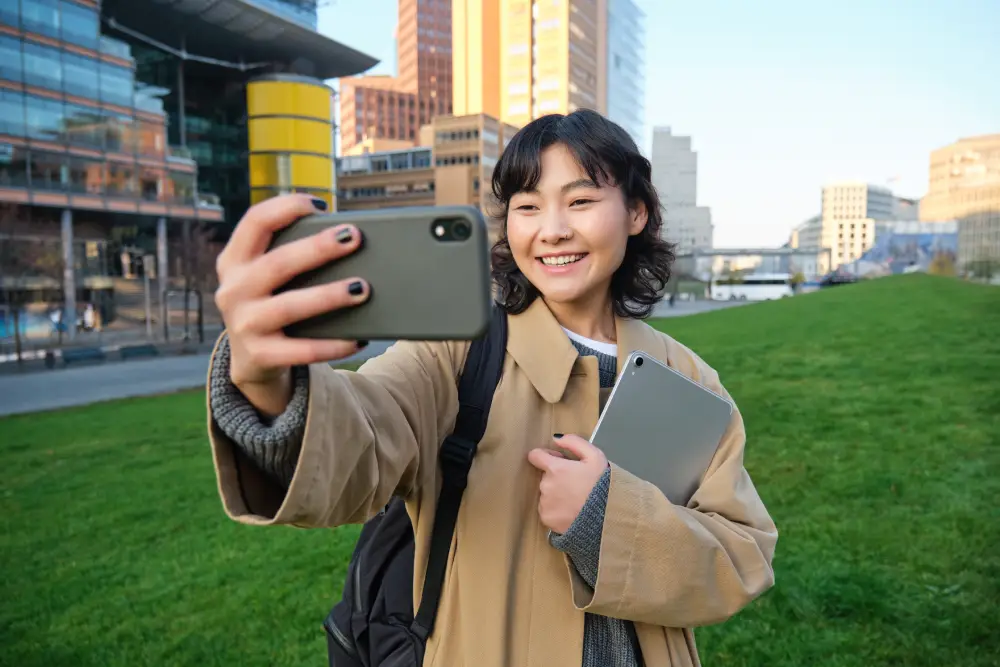
To be fair, smartphones do a lot really well. They’re perfect for:
- Capturing spontaneous moments
- Travel and day-to-day memories
- Behind-the-scenes content
- Quick social media updates
There’s a natural, unfiltered feel to phone photos that people like. It feels real, not staged.
But that same “realness” doesn’t always work when you need polished visuals, especially for corporate use or professional photoshooting.
Where They Still Fall Short
Even with all the tech improvements, smartphones have limits.
You might notice:
- Background blur doesn’t always look natural
- Low-light photos can get grainy
- Colours sometimes feel off
- You don’t get guidance on posing or angles
And that last one matters more than people think.
A camera doesn’t just capture, it needs direction. That’s something a professional brings to a professional photo shoot, and it makes a big difference in the final result.
AI Has Changed the Game
Smartphones today rely heavily on AI. That’s why your photos often look better than expected.
AI helps by:
- Adjusting brightness and contrast
- Enhancing colours automatically
- Creating that “portrait mode” blur
- Improving night shots
It’s clever, no doubt. But it’s still automated.
It doesn’t understand your personality, your brand, or the story you’re trying to tell, which is why professional photoshooting still matters when the outcome really counts.
Small Tips That Actually Help
Even with a phone, you can get better results by doing a few simple things:
- Stand near natural light (window light works great)
- Keep your lens clean (this one’s often ignored)
- Avoid zooming too much
- Try different angles instead of standing still
- Don’t over-edit — subtle is better
These aren’t complicated, but they make a noticeable difference.
Why Professional Photography Still Has Its Place
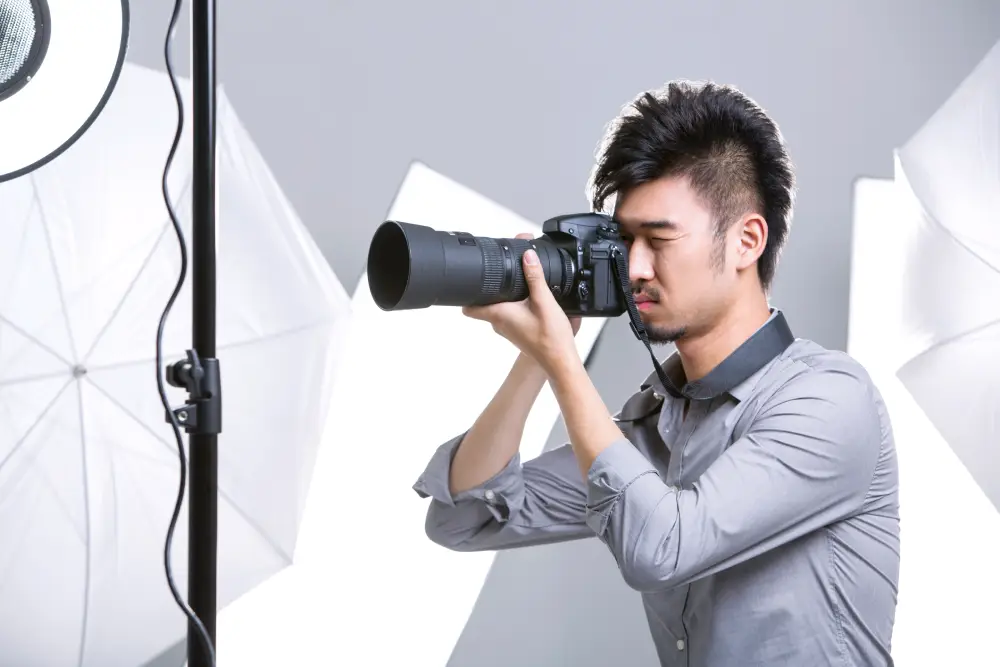
Even though smartphones are everywhere, professional photography hasn’t lost its value. If anything, it’s become more important in certain areas.
Think about:
- LinkedIn profiles
- Company websites
- Marketing campaigns
- Personal branding
These are places where first impressions matter. That’s why services like professional headshots in Singapore are still in demand.
Because at that level, details matter — lighting, posture, expression, consistency, things a phone just doesn’t fully control.
Is Professional Photography Still Affordable?
A lot of people assume professional photography is expensive. That used to be true in many cases.
But now, there are more flexible options available. Many studios offer packages that balance quality and price, making cheap and best photography more accessible than before.
So it’s no longer about choosing between “expensive” or “DIY.” There’s a middle ground.
The Balance Between Smartphones and Professionals
Smartphones didn’t replace photography. They changed how we use it. In today’s world, both coexist:
- Smartphones for quick and casual photography
- Professionals for high-impact and business visuals
And honestly, that balance works.
Conclusion
Smartphones have made taking pictures more personal, more immediate, and a part of daily life. They’ve made it easier for anyone to take pictures without having to worry too much about the technical details. But when you want to make pictures that show who you are or what your business stands for, the quality of the pictures still matters.
At Memoire Photography, we see this shift every day. While smartphones are great for quick shots, we focus on delivering refined, high-quality visuals through our professional photo shoot services. Whether it’s professional headshots in Singapore or a full corporate session, we help individuals and businesses present themselves with confidence. For those looking for cheap and best photography without compromising on quality, our approach keeps things simple, natural, and professional.
FAQs
1. Can a smartphone replace a professional camera?
Not completely. Smartphones are great for everyday use, but they still can’t match the control and quality of professional equipment.
2. Are smartphone photos good enough for LinkedIn?
They can work, but for a stronger impression, professional headshots are usually more effective.
3. What’s the biggest difference in a professional photo shoot?
Lighting, direction, and consistency. These small details make a big impact on the final image.
4. Is professional photography still worth it in 2026?
Yes, especially for business, branding, and marketing where quality matters.
5. Are there affordable options available?
Yes, many studios now offer flexible packages, making cheap and best photography more accessible.